Thinking about a move in Denton and wondering which part of the city will feel most like home? That is a smart place to start, because Denton offers a wider mix of neighborhood settings and home styles than many buyers expect. From historic streets near the Square to mid-century suburban pockets and newer planned communities, understanding the differences can help you narrow your search with more confidence. Let’s dive in.
Denton offers three distinct housing experiences
One of the best ways to understand Denton is to think about it in three broad categories. You will typically find historic core neighborhoods near Downtown, established postwar areas like Southridge, and newer master-planned communities in growth corridors.
Each setting comes with its own tradeoffs. In general, the choice is less about which area is "best" and more about which layout, home age, style, and lifestyle fit your goals. Denton also adds strong citywide appeal through 41 parks, more than 5,000 acres of open space, about 73 miles of trails, and a lively downtown arts and cultural scene.
Historic Denton neighborhoods near the Square
If you love older architecture, walkable blocks, and a sense of place, Denton’s historic areas deserve a close look. The city’s three local historic districts include Oak-Hickory, West Oak Area, and Bell Avenue, while the Denton Square District is managed separately to preserve its historic character and pedestrian-friendly environment.
These neighborhoods sit closest to the city’s cultural center. Downtown Denton and the courthouse square offer a concentrated mix of retail, dining, public gathering space, museums, live music, and recurring events. That makes the historic core especially appealing if you want to be near activity and established streetscapes.
Oak-Hickory home styles and feel
Oak-Hickory is one of Denton’s best-known historic districts and has long been called Silk Stocking Row. The district includes 70 buildings across multiple blocks along Oak, Hickory, Denton, and Mounts Avenue, about half a mile west of the courthouse square.
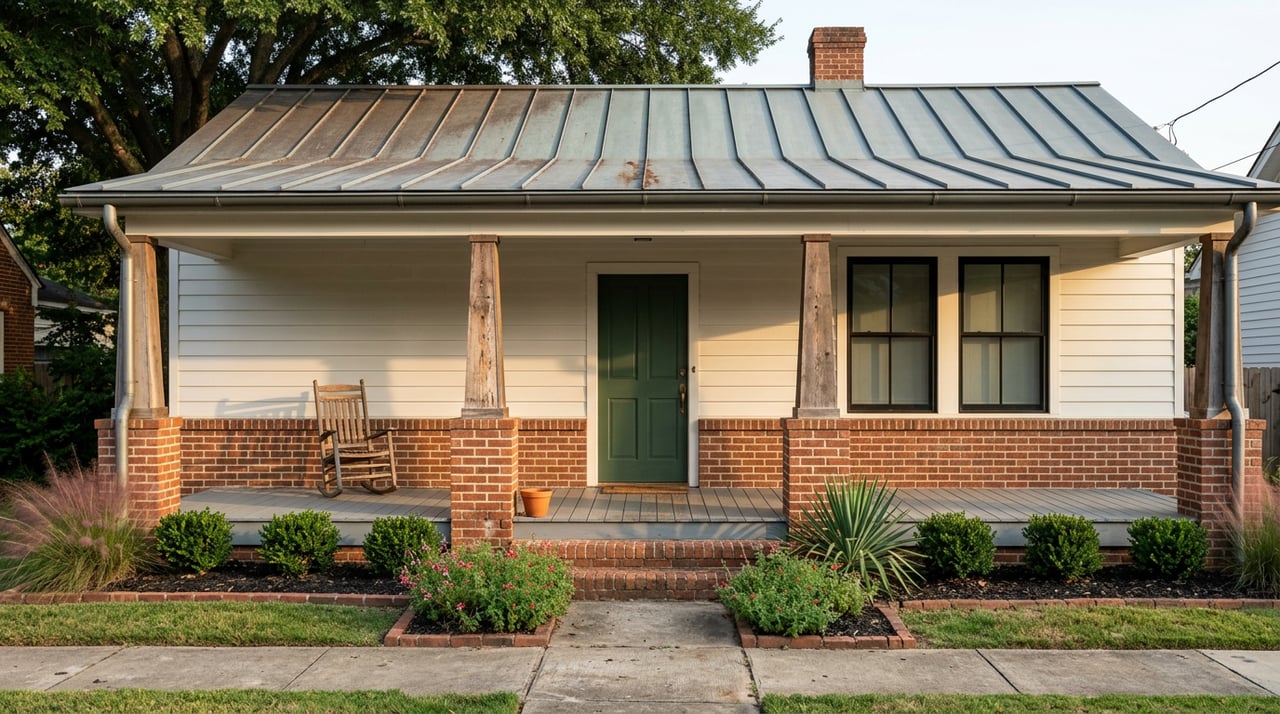
Here, you will find a strong mix of Queen Anne, Prairie, Craftsman bungalow, and Mid-Century Ranch homes. The south end is known for larger lots and grander houses, which gives the area a more varied feel than many newer neighborhoods. If you value architectural detail and a less uniform streetscape, Oak-Hickory may stand out.
West Oak Area home styles and feel
The West Oak Area Local Historic District offers another look at early Denton housing. It includes 89 buildings along streets such as Oak, Jagoe, Marietta, Bradley, Thomas, and Houston Place.
The housing mix leans toward early 20th-century Revival styles, Craftsman bungalows and cottages, plus Minimal Traditional and Ranch homes. For buyers, that means you can see meaningful variety from one block to the next. It is a good fit if you appreciate older homes but want to compare several architectural types in one area.
Bell Avenue home styles and feel
Bell Avenue is a smaller and more compact historic district in the Idiots Hill neighborhood. It includes 28 buildings along a three-block stretch of North Bell Avenue.
The district features early 20th-century Craftsman bungalows and Ranch homes. Because of its smaller footprint, Bell Avenue may appeal to buyers who want historic character in a more tightly defined setting. It still reflects the older-home charm that makes central Denton so distinctive.
West Denton lot patterns and character
West Denton is especially helpful for understanding how lot layout can shape your experience. Located about half a mile west of the courthouse square and immediately northeast of UNT, it connects to downtown by West Hickory and West Oak.
Its street grid is irregular, lot sizes vary, and the south end has larger lots with bigger houses. The district is mostly single-family, but it also includes some multifamily housing, modest commercial buildings, detached garages, garage apartments, and carriage houses. If you like neighborhoods that feel layered and less predictable, this part of Denton shows why older districts often feel so different from newer subdivisions.
What to know before buying in a historic district
Historic neighborhoods often offer the strongest character, but they can also require a little more planning. In Denton’s local historic districts and designated landmarks, certain exterior work can require a Certificate of Appropriateness.
The city notes that items such as accessory-structure size and setback, exterior materials, and window style and sizing may be subject to additional review. For you, that means it is wise to look beyond curb appeal and ask how much flexibility you want for future updates. In many cases, the tradeoff is simple: more character and central location in exchange for older-home maintenance and added design review.
Southridge and postwar Denton neighborhoods
If your style leans more toward established suburban living, Southridge is one of Denton’s most recognizable postwar neighborhoods. The city describes it as a mid-century neighborhood and has noted that its residences may support future historic designations.
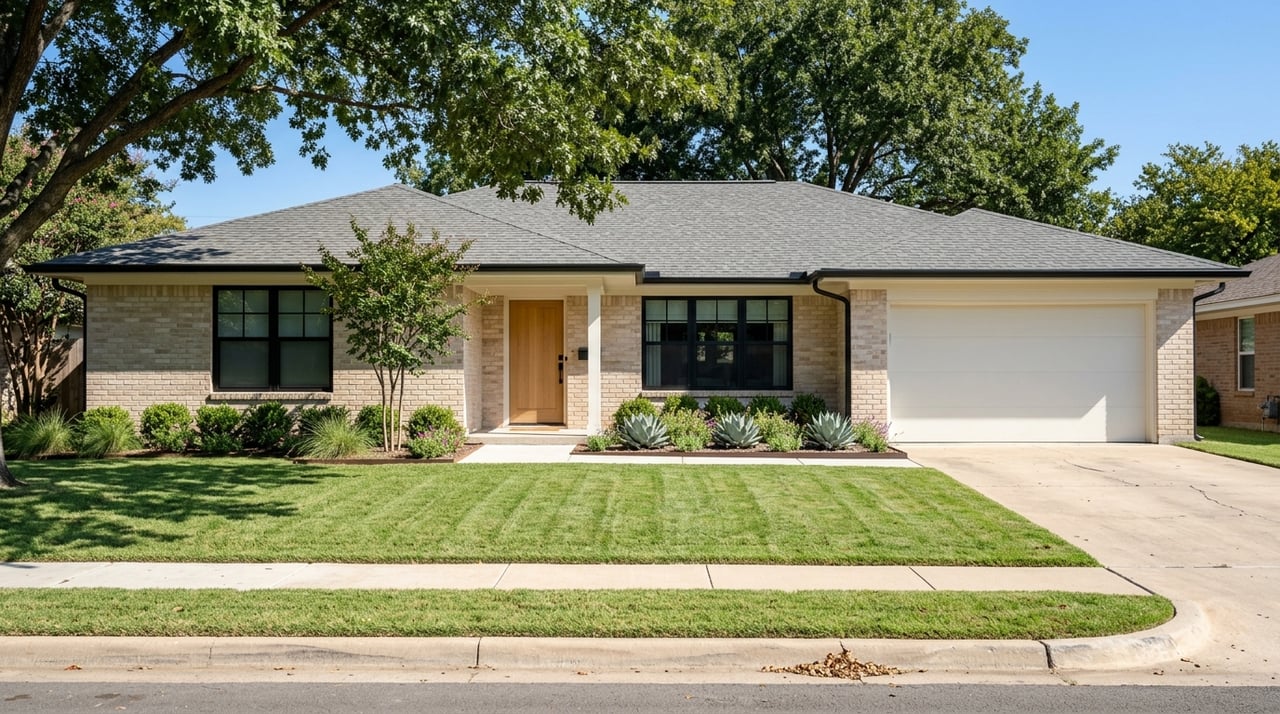
An earlier city staff report described Southridge as a distinctive postwar subdivision south of Interstate 35 along Teasley Lane and Lillian Miller Parkway. It is known for a curvilinear street pattern, contemporary and styled Ranch homes, and some later neo-traditional infill. That makes it feel different from the tighter historic blocks near Downtown.
Why buyers consider Southridge
Southridge works well as a classic established-neighborhood option. The architecture tends to reflect Ranch and mid-century influences rather than the Victorian-era and bungalow-heavy mix found closer to the Square.
The layout is also more curving and auto-oriented. If you prefer a neighborhood with mature character but want a more conventional suburban pattern, Southridge may feel like a strong middle ground. It shows that Denton’s architectural identity extends well beyond the downtown core.
Newer master-planned communities in Denton
If your priority is newer construction, predictable layouts, and built-in amenities, Denton’s master-planned communities may be the better match. In these areas, you are more likely to see contemporary builder product, standardized lots, and larger street systems.
This part of Denton’s housing story is especially important as the city continues to grow. Newer communities often trade some architectural variety for newer systems, easier maintenance, and amenity packages that can simplify daily life.
Robson Ranch for active-adult living
Robson Ranch Texas is Denton’s clearest example of a large, established master-planned community with a defined lifestyle focus. It is a 55-plus active-adult community south of Denton off I-35W, with more than 4,500 homeowners.
Robson reports new homes from the $430s, with floor plans ranging from about 1,550 to 3,937 square feet. Amenities include championship golf, fitness, sports, creative arts, resort pools, tennis, walking paths, and outdoor gathering spaces. If you are searching for an amenity-driven community and age-qualified living, Robson Ranch offers a very different experience from central Denton’s older neighborhoods.
Hunter Ranch and Cole Ranch growth areas
Denton also has major planned growth areas in the southwest, especially Hunter Ranch and Cole Ranch. City documents describe Hunter Ranch as roughly 3,168 acres planned for about 7,000 single-family homes, 3,250 multifamily units, retail and commercial space, 32 miles of hike-and-bike trails, a 54-acre city park, and two five-acre neighborhood parks.
Cole Ranch is described as roughly 3,196 acres with about 5,900 single-family homes, 3,200 multifamily units, retail and commercial space, 26 miles of trails, a 50-acre city park, and two five-acre neighborhood parks. These communities help illustrate where Denton’s newer housing supply is headed, with a stronger emphasis on mixed housing types, trails, parks, and large-scale planning.
How home styles differ across Denton
If you are comparing homes across Denton, the biggest differences often come down to age, lot pattern, and architectural consistency. In the oldest districts, you are more likely to find Queen Anne, Prairie, Craftsman, Revival, Minimal Traditional, Ranch, and Mid-Century Modern forms on irregular lots.
In established postwar neighborhoods, Ranch and mid-century homes become more common, and the street patterns usually feel more suburban. In newer communities, home styles tend to be more contemporary and builder-driven, with more standardized lots and streets. Knowing which pattern feels right for you can save time and help you search more strategically.
How to choose the right Denton neighborhood
A good starting point is to decide what matters most in your day-to-day life. Ask yourself whether you care most about walkability and historic character, an established suburban feel, or newer construction with amenities.
It can also help to compare neighborhoods through a practical lens:
- Historic core: older architecture, variable lots, strongest access to Downtown, and more potential review for exterior changes
- Postwar neighborhoods: Ranch and mid-century character, more conventional suburban layouts, and established streetscapes
- Master-planned communities: newer homes, more predictable layouts, trails and parks, and community amenities
When you tour homes, pay attention to more than finishes. Look at lot shape, street pattern, parking, update potential, and how much maintenance you want to take on. Those details often matter just as much as square footage.
Why local guidance matters in Denton
Denton is not a one-note market. Two homes with similar size and price can offer completely different ownership experiences depending on whether they sit near the Square, in a mid-century neighborhood, or in a newer planned community.
That is why a thoughtful search matters. When you understand how Denton’s neighborhoods are shaped by history, planning, and home style, you can make a more informed move and focus on the areas that truly match your lifestyle. If you are ready to explore Denton with a clear strategy, The Care Team can help you compare neighborhoods, home styles, and next steps with confidence.
FAQs
What are the main types of neighborhoods in Denton, Texas?
- Denton is largely defined by three neighborhood types: historic core areas near Downtown, established postwar neighborhoods like Southridge, and newer master-planned communities.
What home styles can you find in historic Denton neighborhoods?
- In Denton’s older districts, you can find Queen Anne, Prairie, Craftsman, Revival, Minimal Traditional, Ranch, and Mid-Century Modern homes.
What should buyers know about Denton historic districts?
- In local historic districts and designated landmarks, some exterior changes may require a Certificate of Appropriateness, and design details such as materials, windows, and accessory structures may face additional review.
What is Southridge in Denton known for?
- Southridge is known as a distinctive postwar neighborhood with a curvilinear street pattern, Ranch and mid-century character, and an established suburban feel.
What makes Robson Ranch different from other Denton neighborhoods?
- Robson Ranch is a 55-plus active-adult master-planned community with newer homes, amenity-focused living, and features such as golf, fitness, pools, tennis, and walking paths.
Are there newer growth areas in Denton for future home options?
- Yes, major planned growth areas include Hunter Ranch and Cole Ranch in southwest Denton, both of which are designed to include large numbers of homes, trails, parks, and mixed-use elements.