Buying your first home in Denton can feel exciting, confusing, and a little intimidating all at once. You are not just picking a house, you are learning prices, financing, inspections, taxes, and timelines for the first time. The good news is that with the right plan, the process becomes much more manageable. Here is what you can expect as a first-time buyer in Denton, and how to prepare for each step.
Denton Market Basics
Denton sits in a mid-$300,000s price range, but the exact number depends on how the data is measured. Recent reports placed Denton around $378,794 for median sale price, $390,000 for median listing price, and $353,589 for typical home value in spring 2026. The main takeaway is that you should expect a market with meaningful variation, not one fixed price point.
You should also expect mixed conditions. Some data described Denton as a buyer's market, while other data called it somewhat competitive. In practical terms, that means you may have room to negotiate on some homes, but you still need financing lined up early because well-priced homes can move fast.
Denton Prices Vary by Area
One of the biggest surprises for first-time buyers is how much pricing can change within Denton. Neighborhood-level data showed prices ranging from about $249,495 in Carroll Park to about $624,900 in Robson Ranch. That is a wide spread, and it can shape everything from your monthly payment to the type of home and features you can expect.
This is why your home search should focus on more than square footage alone. In Denton, your budget often affects whether you choose an older home closer to the city core, a newer home in a subdivision, or a property with HOA costs and different amenities. Understanding those trade-offs early can save you time and frustration.
Why Denton Appeals to First-Time Buyers
Denton offers more than housing options. The city is home to the University of North Texas, which has more than 44,000 students, and Texas Woman's University's main campus is also in Denton. The city also highlights the Original Denton District, the Denton Arts & Jazz Festival, Clear Creek Natural Heritage Center, and the Greenbelt Trail.
For you as a buyer, that can translate into real lifestyle choices. Homes near the center of Denton may offer easier access to downtown events, campus areas, and walkable spots, while other areas may offer newer finishes or different lot sizes. Your decision may come down to whether you value character and location, or newer construction and lower maintenance.
Start With Preapproval
Before you seriously shop, get clear on what you can afford. CFPB recommends asking at least three lenders for preapproval. That gives you a better view of your borrowing power and helps you compare options instead of relying on a single quote.
It is also important to confirm what the lender actually reviewed. Preapproval and prequalification are not always used the same way, so ask whether your credit, income, and financial documents were verified. That clarity matters when you are ready to make an offer.
Build a Realistic Buying Budget
Your down payment is only one part of the cost. Closing costs typically run about 2% to 5% of the purchase price, and earnest money often falls in the 1% to 3% range. You should also plan for moving costs, utility setup, furnishings, and a reserve for repairs that may pop up soon after move-in.
Your monthly cost should also include more than principal and interest. You may also be paying property taxes, homeowners insurance, and possibly HOA dues. Looking at the full monthly picture now can help you avoid becoming house-rich and cash-poor later.
Explore Texas Assistance Programs
If cash to close feels like the biggest hurdle, you may have options. The Texas Department of Housing and Community Affairs offers a Homebuyer Program with low-interest mortgages and flexible down payment help. TSAHC also offers fixed-rate mortgage loans, down payment assistance up to 5% of the loan amount, and mortgage credit certificates for eligible first-time buyers.
Timing matters with these programs. TSAHC says assistance must be requested when the mortgage application is made, not after closing. If you think you may qualify, bring that up early so you do not miss the window.
Older Homes vs New Construction
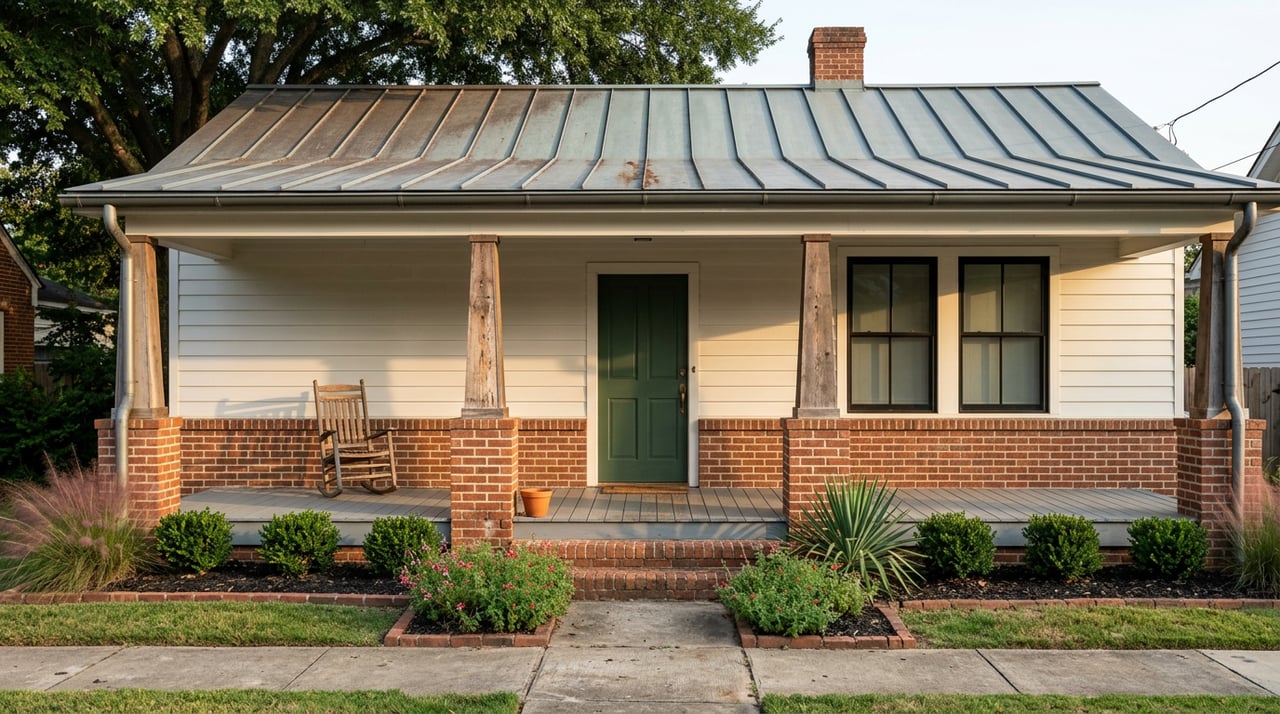
In Denton, many first-time buyers end up choosing between an older home with character and a newer home with modern finishes. Older homes closer to downtown and the Original Denton District can offer walkability, local character, and easier access to events and restaurants. The trade-off may be smaller updates, older systems, or a different floor plan than you would find in newer subdivisions.
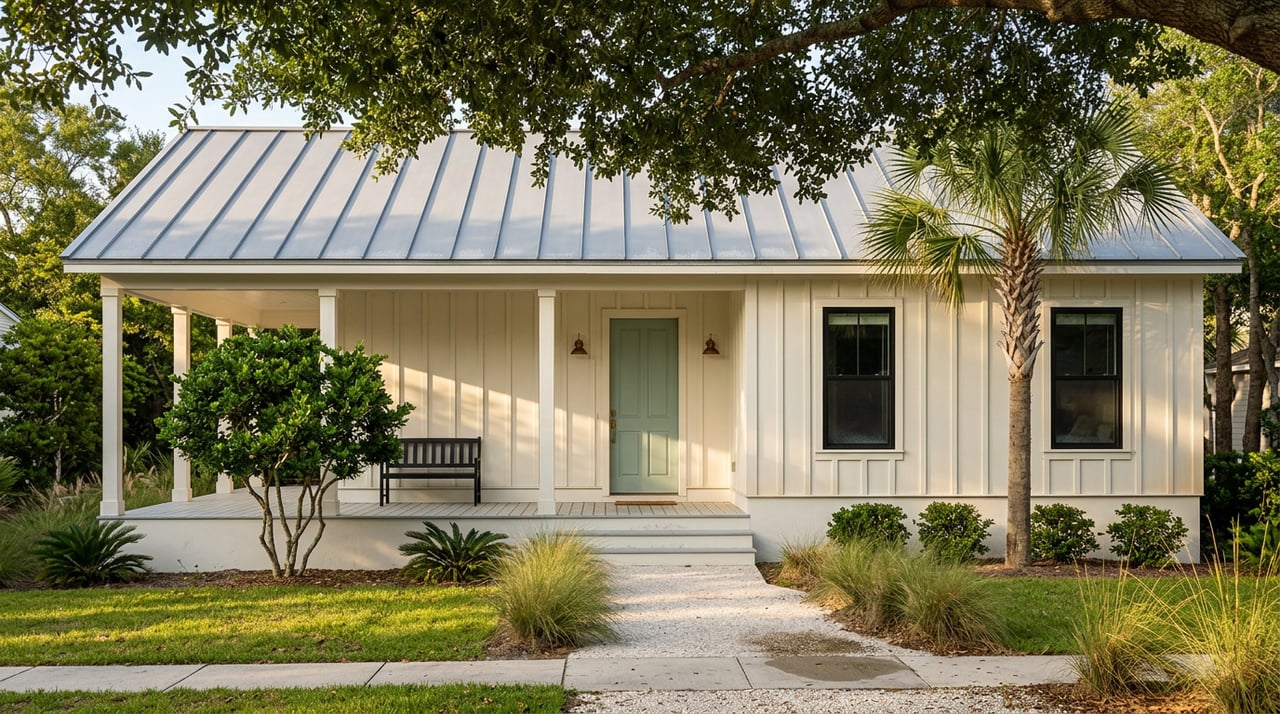
New construction can reduce short-term maintenance concerns, but it is not automatically worry-free. New homes usually come with builder warranties, but coverage is limited and may not cover all out-of-pocket costs tied to defects. That is why even a new-build purchase still deserves careful review.
Why Inspections Still Matter
A home inspection is important whether the home is old or brand new. Inspections can reveal safety issues, maintenance concerns, structural problems, or installations that need attention. For a first-time buyer, that information can shape negotiations, budgeting, and your repair plan.
With a new build, an inspection can also help you create a punch list before closing. That gives you a chance to address issues early, rather than discovering them after you move in.
Understand HOA Documents
If you are buying in a community with an HOA, do not treat the dues as the only thing that matters. In Texas, a resale certificate can show unpaid amounts, reserve levels, budgets, insurance, known violations, special assessments, transfer fees, and other important details. Those documents can tell you a lot about the financial and operational health of the community.
Texas also requires certain HOAs to file management certificates with the state. When you compare a newer subdivision to an older non-HOA home, these details can matter just as much as the home's finishes or age. A lower price is not always the better value if future HOA costs are unclear.
What Happens After You Apply
Once your mortgage application is triggered, the lender must provide a Loan Estimate within three business days. This document helps you compare lender costs, title fees, prepaid taxes, and other charges. It is one of the most important tools you have for understanding the true cost of your loan.
Later in the process, you must receive the Closing Disclosure at least three business days before closing. This is your chance to review final figures carefully. You should use that time to verify your cash to close, title charges, prepaid items, and any HOA-related costs.
Closing Day Expectations
By the time you reach closing, the big goal is clarity. You should already know how final documents will be delivered and what funds you need to bring. Some closing costs may vary by lender or provider, while taxes and other government fees generally are not negotiable.
This final review period is not something to rush through. If anything looks unfamiliar, ask questions before signing. A smooth closing usually starts with careful preparation in the days before it.
Your First-Year Homeownership Checklist
Closing is not the finish line for planning. In Denton, one of the first major tasks after move-in is filing your homestead exemption with the local appraisal district. The Texas Comptroller says school districts must provide a $140,000 residence homestead exemption, and qualified homesteads also receive a cap that limits appraised value increases to 10% per year once the exemption is in place.
Denton County directs property value, exemption, and protest questions to the Denton Central Appraisal District. That makes homestead filing a first-year priority. If your appraised value seems off later, you can also protest through the appraisal review board.
Your first-year budget should also leave room for the normal surprises of homeownership. Repairs, utility setup, maintenance items, and furnishing costs can arrive quickly. Even if your taxes and insurance are included in escrow, you are still paying those costs over time, so it helps to keep a reserve in place.
How To Prepare With Confidence
A first home purchase in Denton is much easier when you break it into steps. Start with financing, define your real monthly budget, narrow your preferred areas, and review each home's condition and ownership costs carefully. That kind of planning helps you make calm decisions in a market that can feel fast-moving.
At The CARE Team, the goal is to make your first purchase feel informed, strategic, and well supported. With guidance that connects home search, negotiation, and financing insight, you can move forward with more clarity at every stage. When you are ready to talk through your next step, connect with The Care Team.
FAQs
What price range should a first-time buyer expect in Denton?
- Denton is generally a mid-$300,000s market, but recent data showed a range from about $353,589 to $390,000 depending on whether the source measured home values, sale prices, or listing prices.
How much cash should a first-time buyer save for a Denton home purchase?
- You should plan for your down payment, closing costs of about 2% to 5% of the purchase price, earnest money that often ranges from 1% to 3%, plus moving costs and a repair reserve.
Should a first-time buyer in Denton compare mortgage lenders?
- Yes. CFPB recommends asking at least three lenders for preapproval so you can compare loan options, costs, and what each lender actually verified.
Is a home inspection worth it for a new construction home in Denton?
- Yes. Builder warranties are limited, and an inspection can still uncover safety issues, installation problems, or repair items to address before closing.
What HOA documents should a first-time buyer review in Texas?
- The resale certificate is especially important because it can show dues, budgets, reserves, insurance, violations, special assessments, and transfer fees. Management certificate details also matter.
When does a first-time buyer receive final loan numbers before closing?
- Your lender must provide the Closing Disclosure at least three business days before closing, which gives you time to review your final cash to close and other charges.
What should a new Denton homeowner do after closing?
- One of your first priorities should be filing for the residence homestead exemption with the local appraisal district, then setting aside funds for repairs, maintenance, utilities, and other first-year costs.